
Pet Microchipping
Losing a pet is a stressful experience, but pet microchipping provides a simple and reliable way to help bring them home. At Miami Lakes Veterinary Clinic, we offer safe, quick, and effective dog and cat microchipping to give you peace of mind.
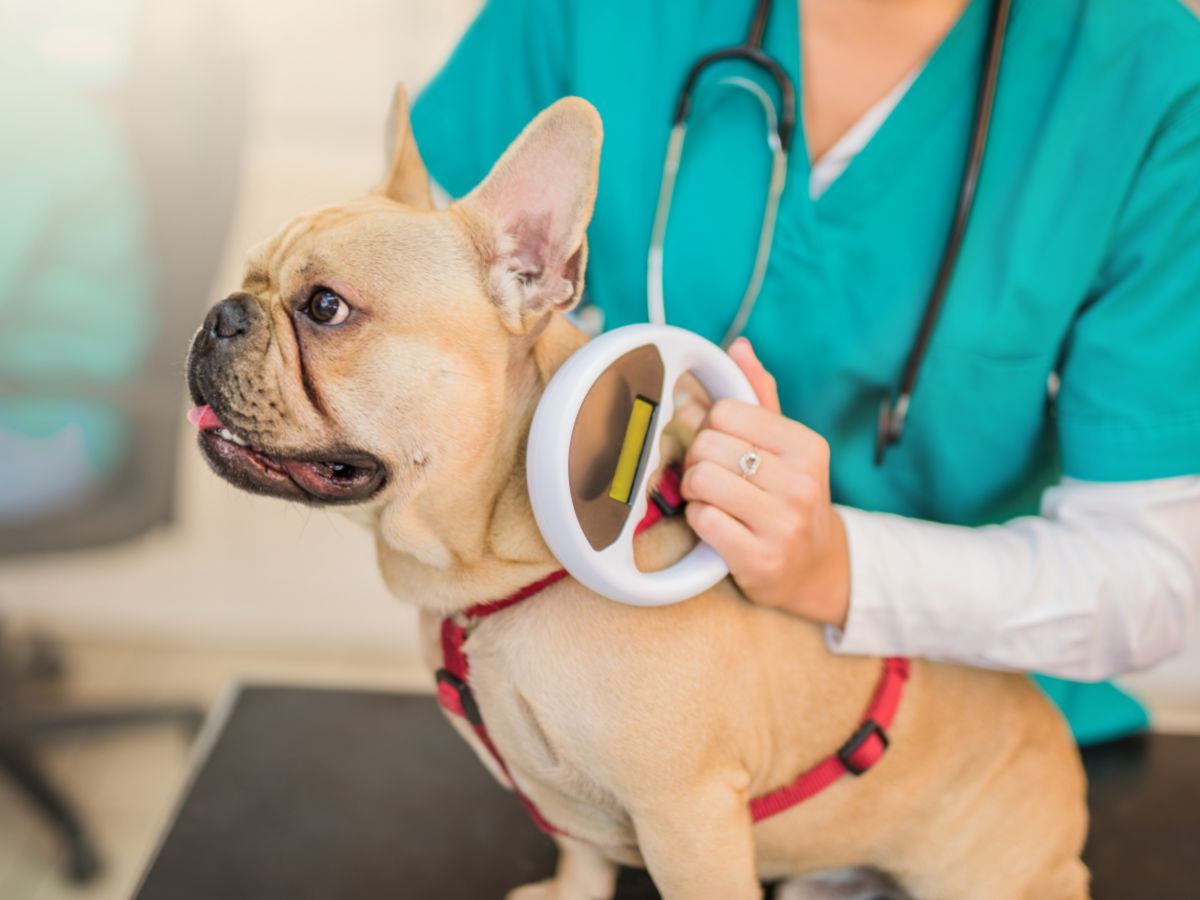
What Is Pet Microchipping?
Unlike collars or tags, a microchip cannot fall off or be removed. It provides a lasting way to identify your pet if they ever become lost.

What to Expect During the Procedure
During the appointment:
- The microchip is placed just under your pet’s skin
- The process takes only a few seconds
- No anesthesia is required
- Your pet’s information is registered in a secure database
This final registration step is essential to getting the most benefit from your pet’s microchip. At the time of implantation, our team completes the lifetime registration for you right here in the office, ensuring your contact information is entered into the national recovery database should your pet ever become lost. As an added benefit, your pet’s microchip also allows us to quickly obtain their temperature with a compatible scanner during future visits, making wellness and medical assessments easier and less stressful for your pet.
Benefits of Dog & Cat Microchipping

Why Microchipping Is Important
With pet microchipping, your pet has a permanent form of identification that increases the chances of a safe return. Shelters and veterinary clinics routinely scan found pets for microchips.
Without a microchip, it can be much harder to reconnect lost pets with their families.