
Pet Imaging
When your pet needs answers beyond a physical exam, advanced pet imaging helps us see what’s happening inside. At Miami Lakes Veterinary Clinic, we offer reliable veterinary radiology, including pet X-rays and traveling vet ultrasound services, to support accurate diagnosis and treatment.
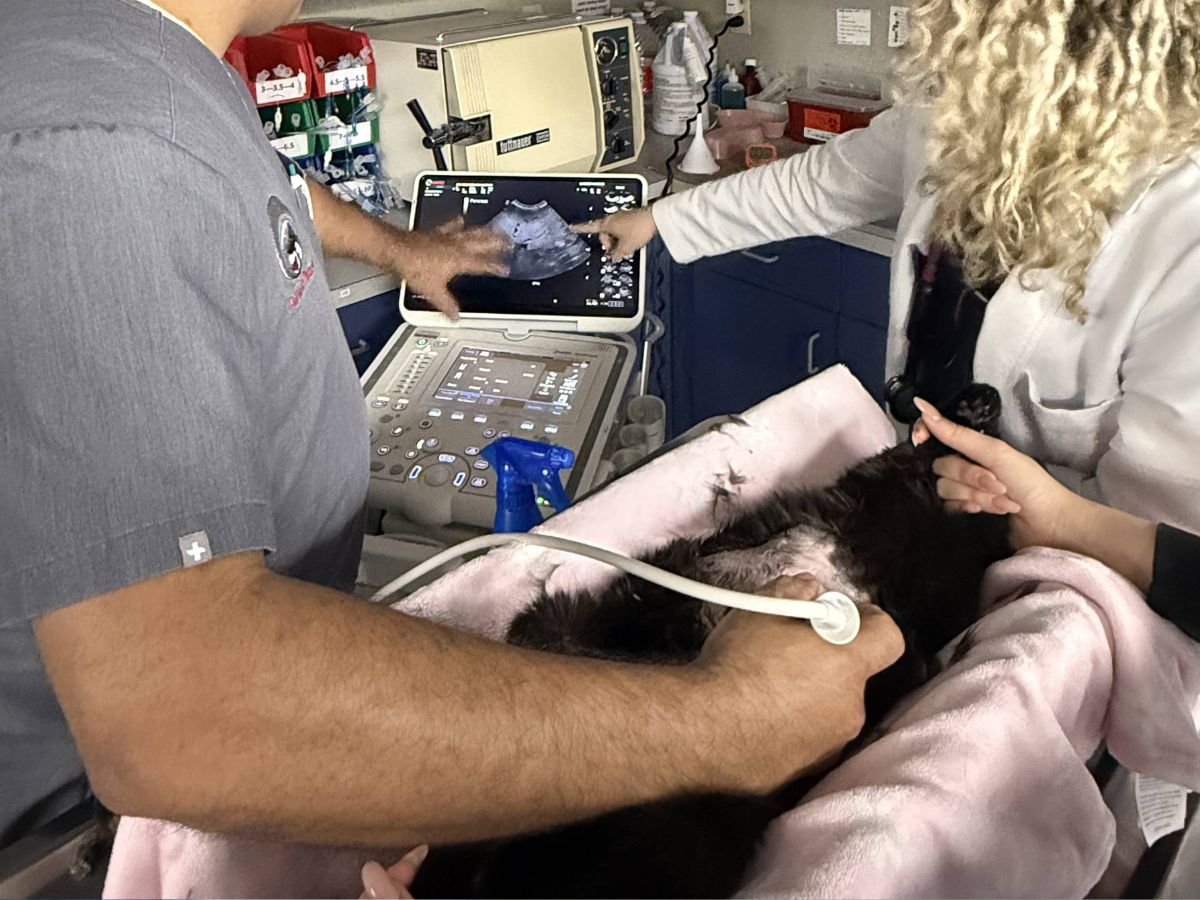
What Is Pet Imaging?
Pet imaging uses non-invasive technology to visualize your pet’s internal structures. This includes pet X-rays for bones and organs, as well as dog ultrasound and cat ultrasound, provided by a traveling sonographer available on weekdays, for soft tissue evaluation.
These diagnostic tools help us detect issues that cannot be seen during a routine exam, allowing for more informed care decisions.

What to Expect During Imaging
Imaging procedures are typically quick and designed to keep your pet as comfortable as possible.
During your visit, we may:
- Take pet X-rays to evaluate bones, lungs, or internal organs
- Perform a vet ultrasound to examine soft tissues via our traveling sonographer
- Gently position your pet for accurate imaging
- Use mild sedation if needed for comfort and stillness
We review results carefully and explain findings so you understand the next steps.
Benefits of Veterinary Radiology
Using advanced imaging tools supports better care for your pet.
These tools allow us to move forward with confidence when your pet needs care.

Why Imaging Is Important
Many conditions cannot be diagnosed through physical exams alone. Pet imaging allows us to detect issues such as fractures, internal injuries, organ changes, or masses.
Early and accurate diagnosis leads to better treatment outcomes and can prevent conditions from worsening. Without imaging, some health concerns may remain hidden.
FAQs About Pet Imaging
Are X-rays safe for pets?
Yes. Pet X-rays use minimal radiation and are considered safe. We take precautions to ensure your pet’s well-being.
What is the difference between X-rays and ultrasound?
X-rays are best for bones and dense structures, while a vet ultrasound is used for soft tissues and organs.
Will my pet need sedation?
Some pets may need mild sedation to remain still during imaging. We’ll discuss this with you if needed.